
Your Joliet sale takes as long as its three stretches together: the work before the listing goes live, the time the home is on the market, and the steps between an accepted offer and closing day. Different factors set the length of each, and this post takes them in that order.
Before You List: Price, Condition and Any Exterior Work
The first stretch is the one you shape most: the price you list at, the work you finish first and, for some Joliet homes, a City review before any exterior work.
Price
The list price decides which buyers see your home as an option. A price in line with comparable homes that sold recently can bring showings soon after the listing goes live. A price above them can leave the home on the market until the price comes down.
Condition
Repairs you finish before listing add time before the home goes on the market, and they can take items off a buyer’s inspection report later. Decide which work comes first, then set the listing date once you know how long that work will take.
The type of home
Buyers weigh a home against others of its type, so a detached house competes with the detached houses for sale and a townhome with other attached homes. Of the 53,814 housing units the Census Bureau’s American Community Survey counts in Joliet for 2020 to 2024, 37,403 are detached houses and 5,064 are attached one-unit homes such as townhomes. Each figure is a survey estimate with a margin of error. A home in an association also brings the association’s documents into the sale.
Exterior work on a designated home
If your home is a designated City of Joliet landmark, exterior work needs a Certificate of Appropriateness from the Historic Preservation Commission before you apply for a building permit; interior changes need no Commission approval. In the City’s thematic historic districts, including Bungalow, Colonial Revival, Catalog and Vernacular, exterior improvements, alterations or demolition go to the Commission for review. Homes in the City’s local historic districts come under its design guidelines and preservation standards. If you plan outside work on a designated home before you sell, ask the City which step applies and how long it can take before you set a listing date. The Joliet guide sets out the City’s historic designations.
On the Market: Competition, Buyer Demand and the Season
Once the listing is live, the pace depends on what buyers can choose from and how many of them are looking.
Your competition is the set of homes a buyer will compare with yours. The Joliet homes for sale page shows what is listed now, so you can see how many homes of your type and price range are on the market against yours.
To see the town as a whole, open the Market section of the Joliet guide: from live MLS data, it compares sold listings and the average days on market for the last 30 days with the 30 days before. Real estate websites publish their own Joliet figures too, over different periods and by different methods, so their numbers do not always agree. Read any town figure as context: it describes Joliet sales as a group, and your own home’s price, condition and type set its pace.
Buyer demand is how many buyers are ready to purchase a home like yours at your price. It can rise or fall with what buyers pay to borrow. More ready buyers can shorten the time a home stays on the market, and fewer can lengthen it. Buyer activity can change with the season, and so can the number of homes listed against yours.
Under Contract: Inspection, Appraisal and Financing
An accepted offer starts the last stretch, and the purchase contract sets its dates. The steps run roughly in this order:
Inspection. The buyer can have the home inspected within the period the contract allows. If the report turns up items, you and the buyer can negotiate repairs, a credit or a price change, and that negotiation runs on its own dates.
Appraisal. When the buyer is using a loan, the lender can require an appraisal. A value below the contract price can reopen the price or the terms.
Financing. The lender gives final approval of the buyer’s loan once its conditions are met, and those conditions can include items the appraisal raised.
Title and closing. Title work confirms that ownership can pass to the buyer. Closing follows on the contract’s date once the earlier steps are done.
A step that runs late can move the closing date. Your attorney or the title company can tell you what each date in your contract means for your sale.
Deciding When to List
The listing date is yours to choose. These are the factors that bear on it:
Your next move. When you need to be out of the home, and whether you are buying another one on its own timeline.
The cost of holding the home. The loan payment, property tax, insurance and upkeep for each month you still own it.
Whether the home is ready. The repairs you plan, and any City review of exterior work, finished before the listing date.
The season. Buyer activity can change through the year.
Current competition. How many homes like yours are listed for sale now.
How these weigh against each other differs from one seller to the next. To see what the sale itself can leave you with, read How Much Will I Walk Away With After Selling My Joliet Home?
Questions About How Long a Joliet Sale Takes
Is there a typical number of days it takes to sell a home in Joliet?
The Joliet guide’s Market section shows the average days on market for Joliet sales in the last 30 days, as context for the town as a whole. Real estate websites measure the town over different periods and by different methods, so their figures can disagree. For your own home, its price, condition and type, and the homes listed against it, set the pace.
What can slow down a Joliet sale after I accept an offer?
The steps the contract sets: the buyer’s inspection and any negotiation over what it finds, an appraisal if the buyer’s lender requires one, the final approval of the buyer’s loan, and the title work that confirms ownership can pass. Each has a date in the contract, and a step that runs late can move the closing.
Does the type of home I own change how long my Joliet sale takes?
It can. Buyers compare a home with others of its type, so a detached house competes with detached houses and a townhome with attached homes, and a home in an association adds the association’s documents to the sale. The Census Bureau’s survey for 2020 to 2024 counts 37,403 detached houses and 5,064 attached one-unit homes among Joliet’s 53,814 housing units.
More on Joliet
The Joliet guide covers the City’s historic designations and live market figures. For the tax code and the City of Joliet levy at your address, read Selling in Joliet: Your Property Tax Code and City Levy.
Sources: U.S. Census Bureau, American Community Survey, 5-year estimates for 2020 to 2024, table B25024 (units in structure); City of Joliet, Historic Preservation, National Register Historic Districts, Local Historic Districts and Thematic Historic Districts.
FROM OUR BLOG

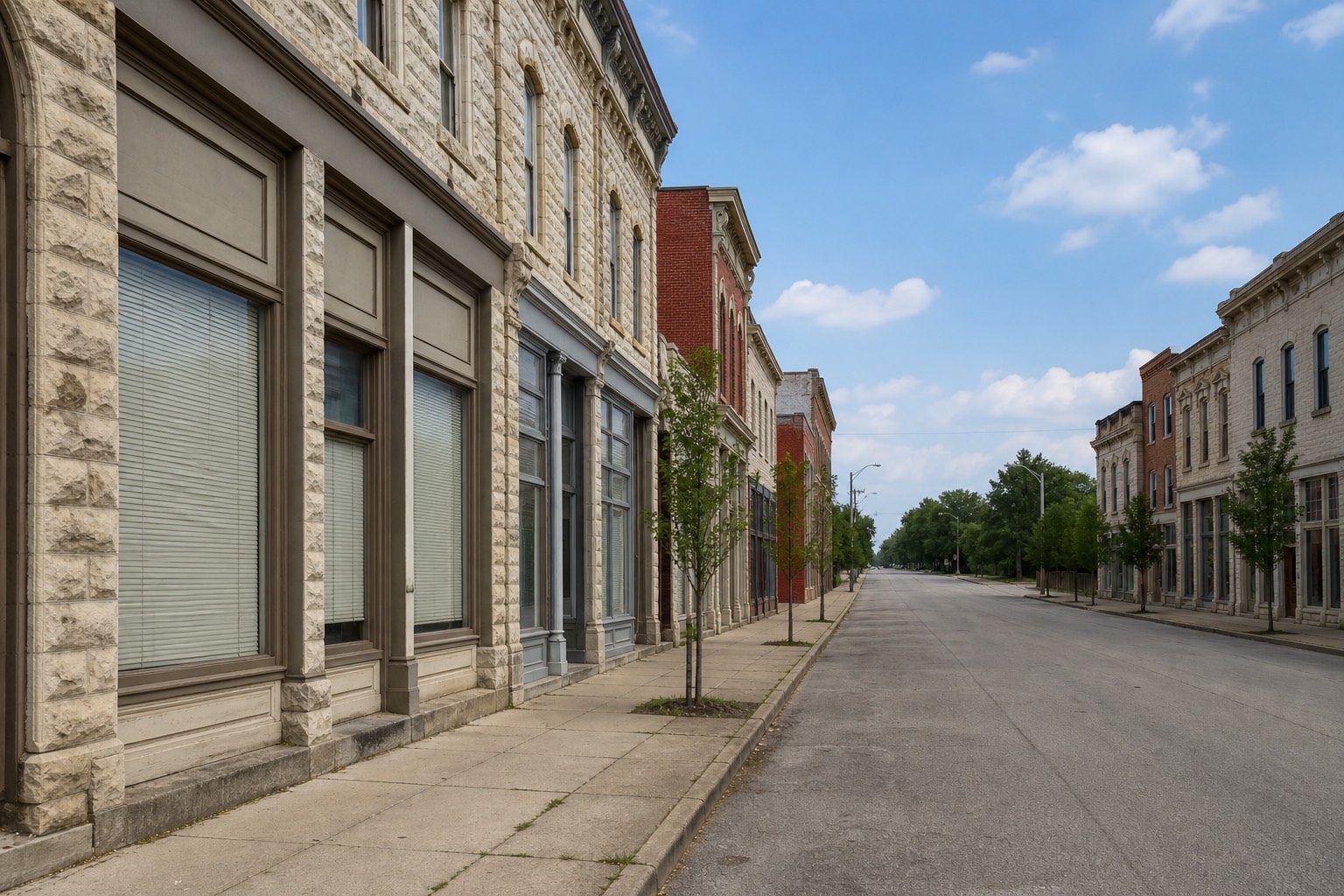
What Do I Need to Do to Get My Lockport Home Ready to Sell? Repairs, Updates and the Historic District Check
What do you need to do to get your Lockport home ready to sell, and do you need to make repairs or updates before you list it? Both answers start with the house itself: when it was built, what kind of home it is, and whether it sits in the City’s Historic District. Your Home Repairs and Updates Hist
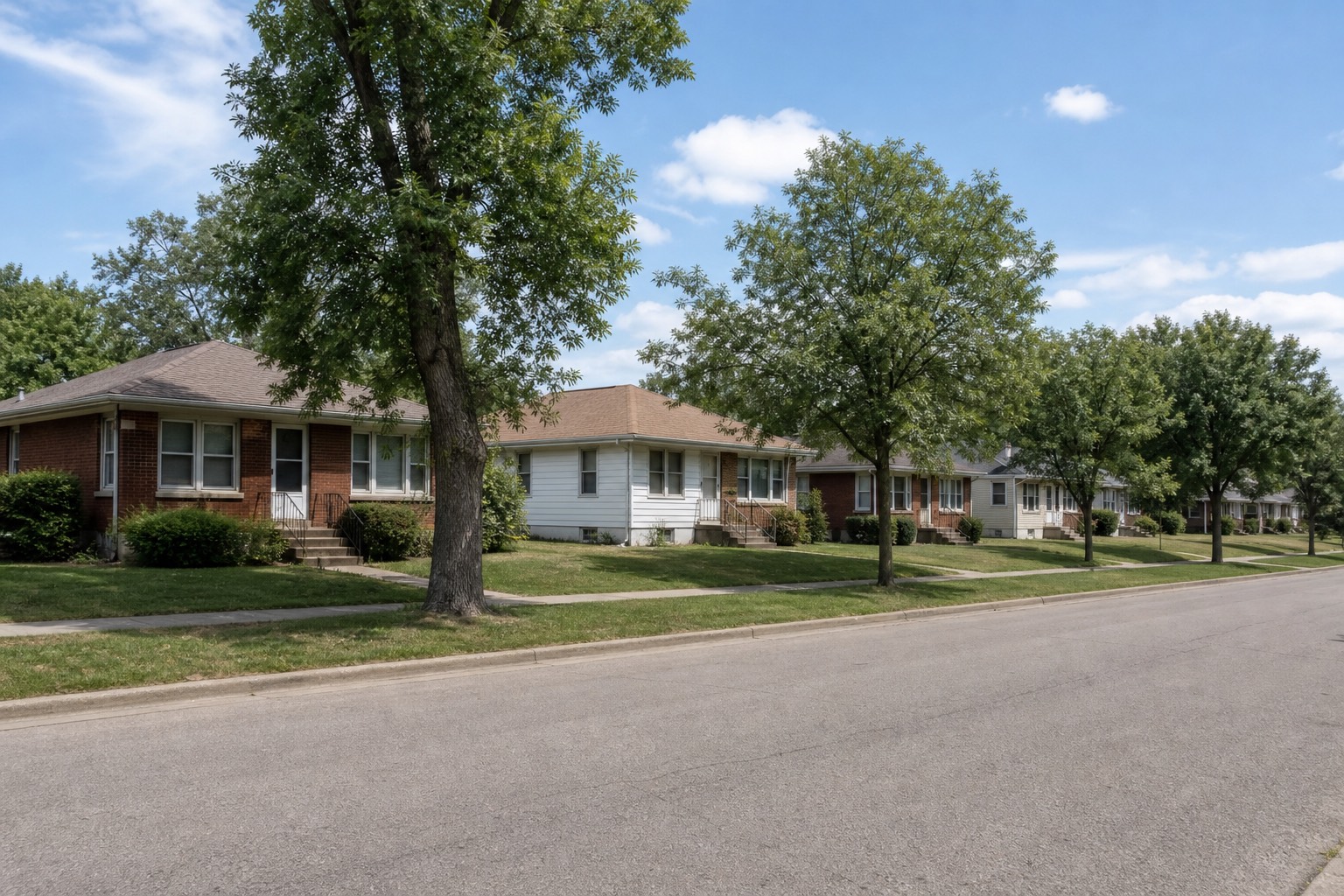
Can I Sell My Lockport Home As-Is? Weighing It Against Getting the Home Ready First
Yes, you can sell your Lockport home as-is. It is one of two ways to bring a home to market. The other is to get it ready first, with repairs or updates finished before the listing date. Below, the two sit side by side: what each asks of you before you list, what an as-is listing leaves in place, an
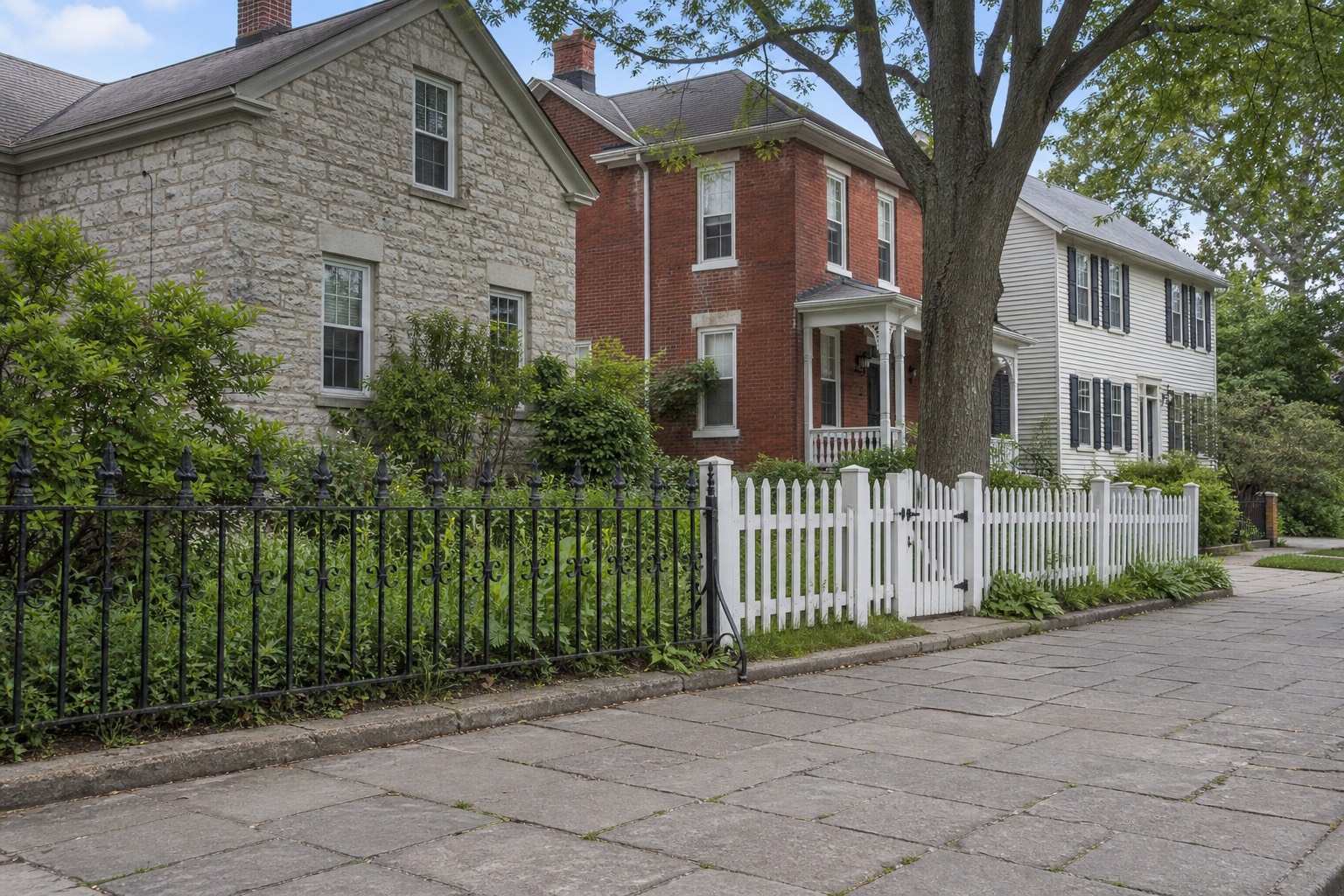
Repairs Before Selling in Lockport's Historic District: The City Planner Step and Possible Commission Review
Planning repairs or updates before you sell a home in Lockport’s Historic District? There, the first step is to contact the City Planner, before any permit. The City’s code then sets out which projects require a certificate of appropriateness from the Heritage and Architecture Commission, which need