
Planning repairs or updates before you sell a home in Lockport’s Historic District? There, the first step is to contact the City Planner, before any permit. The City’s code then sets out which projects require a certificate of appropriateness from the Heritage and Architecture Commission, which need none, and how the review is timed.
The City Planner Step
The City of Lockport’s Resident Guide asks owners to contact the City Planner about any project in the Historic District, since the Heritage and Architecture Commission may need to review it. Repairs and updates planned ahead of a listing are projects like any other, so that contact comes before the permit application and before a contractor is booked.
Two designations in Lockport carry close names. The Lockport Historic District was listed on the National Register of Historic Places in 1975, and the Lockport guide describes that listing. The City’s own code defines a separate designation, the City of Lockport Historic District, and places its boundary maps on file at City Hall.
Whether a given address falls inside the City’s district is a question for the City, which invites owners who are unsure to contact it.
The Commission has seven voting members. The City Planner also sits on it, ex officio and without a vote. A Community Development employee serves as the Commission’s Administrator and issues certificates of appropriateness as the Commission directs.
Work That Needs a Certificate of Appropriateness
The City’s code ties the certificate to the permit. A permit for construction, removal, significant alteration or demolition within the Historic District is not issued without a certificate of appropriateness from the Heritage and Architecture Commission, or from the Council on appeal.
Significant alteration has a defined meaning in the code: any change to exterior features that requires a permit. Among the code’s examples:
- Replacing window sash or window units
- Adding or removing siding
- Painting or stripping masonry
The list also names porch spindles, window and door trim, shutters, canopies, fences and limestone sidewalks.
Before you book exterior work ahead of a sale, test each job against that definition. If it needs a permit and changes an exterior feature, the certificate comes before the permit.
Work That Needs No Certificate
The code also lists work that needs no certificate of appropriateness:
- Ordinary maintenance that does not change design, materials, scale or appearance
- Interior changes
- Gutters and downspouts, with no change to architectural features
- Exterior painting, including colors from the historic collections the code names
- Urgent work on an unsafe condition, with the concurrence of the Commission’s Chair
- Temporary signs
Painting appears on both sides of the line. Exterior painting is on the list above, while painting or stripping masonry is one of the code’s examples of a significant alteration. The code also places painting or stripping wood surfaces, and repairing or replacing roofs, under the Commission’s advisory guidelines. For masonry, wood surfaces or a roof, ask the City Planner how the code applies to your project before the work begins.
The code says design guidelines are kept at City Hall, with a digital copy on the City’s website.
How the Review Is Timed
The application for a certificate of appropriateness is available from the Building Department or online. It includes a contractor’s cost estimate, 9 full-size copies of the plans and specifications, and a written summary; a plat of survey is needed for demolition or addition projects only. A certificate application requires a public meeting.
From there the code sets the pace. The Building Department sends a permit application to the Commission’s Administrator within 7 days, and the Commission decides at its next regular meeting. If that meeting is 15 or more days away, the owner may request a special meeting.
A certificate is void after one year, or after a period the Commission sets, if the work is not completed. So a certificate obtained well ahead of a listing still needs the work finished within that time.
For a sale, work backward from the listing date. The City Planner contact, the application and its meeting, the permit and the work itself all come first, so before you choose that date, ask the City Planner when the Commission’s next regular meeting falls.
Questions About Repairs in Lockport’s Historic District
Who do I contact before a project on my home in Lockport’s Historic District?
The City Planner. The City asks owners to make that contact about any project in the Historic District, since the Heritage and Architecture Commission may need to review the work. The City also invites contact from owners who are unsure whether an address is in the district.
Which repairs need a certificate of appropriateness in Lockport’s Historic District?
Work that needs a permit for construction, removal, significant alteration or demolition within the district. Under the City’s code, those permits are not issued without a certificate from the Heritage and Architecture Commission, or from the Council on appeal. A significant alteration is any permit-requiring change to exterior features, such as replacing window sash or window units, adding or removing siding, or painting or stripping masonry.
Can I paint my house or replace gutters without a certificate?
Yes, on the code’s terms. Exterior painting, including colors from the historic collections the code names, is on its list of work that needs no certificate, and so are gutters and downspouts with no change to architectural features. Two rules sit beside that list: painting or stripping masonry is one of the code’s examples of a significant alteration, and painting or stripping wood surfaces falls under the Commission’s advisory guidelines. Ask the City Planner before either kind of work.
How long does a certificate of appropriateness take in Lockport?
It depends on when the Commission next meets. The Building Department sends the permit application to the Commission’s Administrator within 7 days, and the Commission decides at its next regular meeting. If that meeting is 15 or more days away, you may request a special meeting. A certificate is void after one year, or a period the Commission sets, if the work is not completed.
More on Lockport
For the town itself, start with the Lockport city guide, and to see homes on the market there, browse Lockport homes for sale. The property tax code at a Lockport address, and the City’s levy on it, are covered in Selling in Lockport: Your Property Tax Code and City Levy.
Sources: City of Lockport, Resident Guide, p. 7; City of Lockport Code of Ordinances, Title XV, Chapter 150, §§ 150.22 to 150.29, as published in the online code library, version 2026 S-37 (the official printed copy governs); National Park Service, National Register of Historic Places, Lockport Historic District.
FROM OUR BLOG

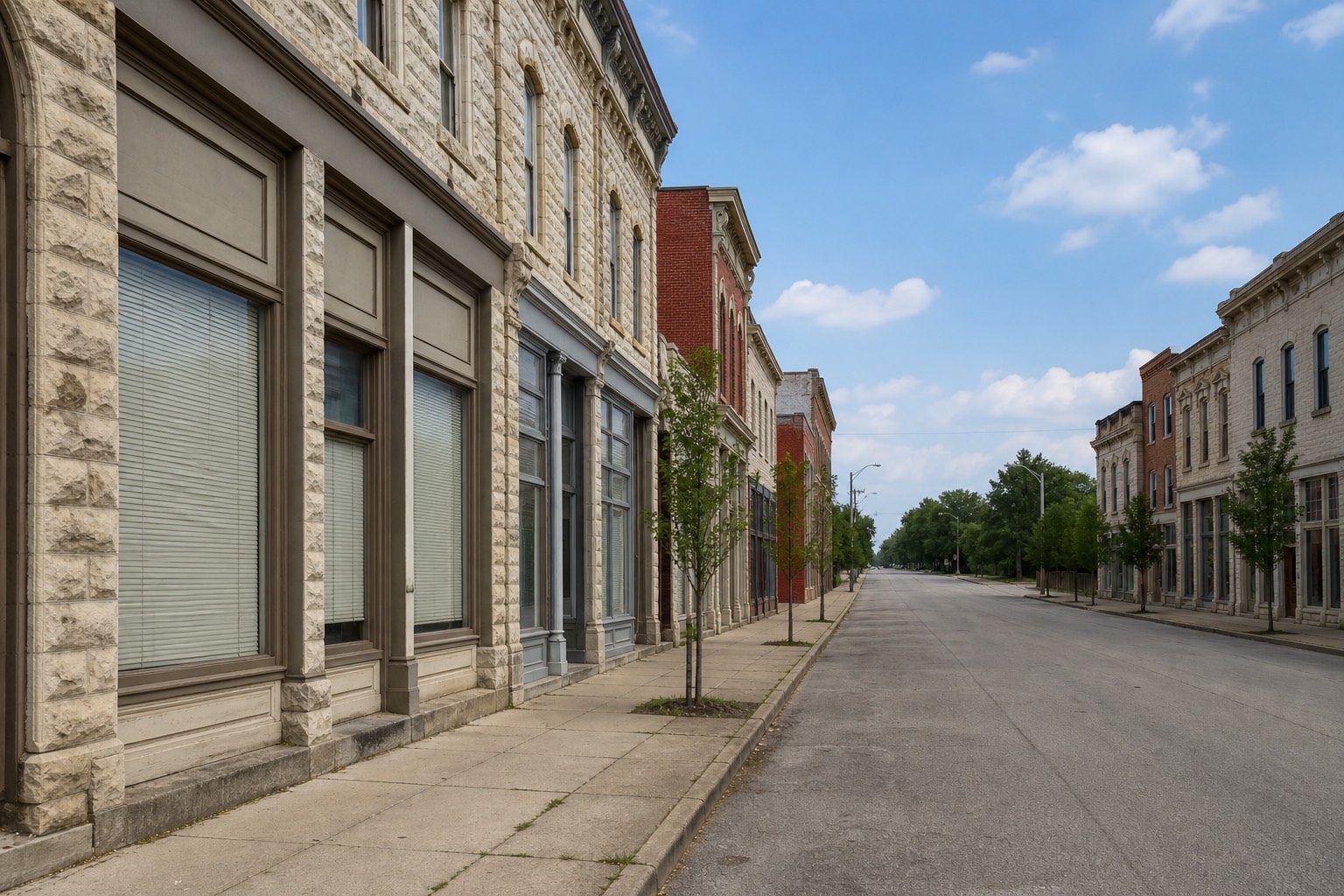
What Do I Need to Do to Get My Lockport Home Ready to Sell? Repairs, Updates and the Historic District Check
What do you need to do to get your Lockport home ready to sell, and do you need to make repairs or updates before you list it? Both answers start with the house itself: when it was built, what kind of home it is, and whether it sits in the City’s Historic District. Your Home Repairs and Updates Hist
Can I Sell My Lockport Home As-Is? Weighing It Against Getting the Home Ready First
Yes, you can sell your Lockport home as-is. It is one of two ways to bring a home to market. The other is to get it ready first, with repairs or updates finished before the listing date. Below, the two sit side by side: what each asks of you before you list, what an as-is listing leaves in place, an
How Long Will It Take to Sell My Lockport Home?
The time it takes to sell a Lockport home, from the day you decide to list to the day the sale closes, is set in turn by you, by the market and by the contract. You decide the price, the condition of the home and any work done before listing. The market decides how buyers weigh your home against the