
The time it takes to sell a Lockport home, from the day you decide to list to the day the sale closes, is set in turn by you, by the market and by the contract. You decide the price, the condition of the home and any work done before listing. The market decides how buyers weigh your home against the others for sale. Once you accept an offer, the contract’s dates decide the rest.
What You Set: Price, Condition and Any Work First
The list price is the lever you hold most directly. Buyers measure it against the homes for sale around it and what similar homes recently sold for. Priced above that measure, a home can sit until the price is cut. Priced close to it, a home can draw offers sooner.
Work on the home trades time now for time later. Each repair finished before listing is one fewer item for the buyer’s inspection to find, and every job brings its own estimates, scheduling and, where it applies, a permit and final inspection. Add that time up before you pick a listing date.
For a home in the City of Lockport Historic District, that work begins with the City Planner. The City asks that owners check with the Planner about any project in the district, where the Heritage and Architecture Commission may review the work. Under the City’s code, a permit for construction, removal, significant alteration or demolition in the district waits on a certificate of appropriateness, which the Commission decides at its next regular meeting. Ask the City how that review fits your dates before you set a listing date. The City keeps the district’s boundary maps at City Hall and invites owners who are unsure whether their home is inside it to ask. The same step appears in the Lockport guide’s FAQ.
What the Market Sets: Competition, Demand and the Season
From the first day on the market, two things outside your control set the pace: the listings competing with yours and the buyers looking. Competition means the homes a buyer could pick instead of yours, similar in type, size and price and for sale at the same time. The Lockport homes for sale page lists the current ones. Type narrows that set: a townhome is weighed mainly against other attached homes, a detached house against other houses.
Buyer demand is the other half: how many buyers are looking in your price range, and how ready they are to act. Mortgage rates and the wider economy can move it in either direction. The season can play a part too, since the number of active buyers can change through the year.
For a current reading, open the Market section of the Lockport guide: its live MLS figures include average days on market for the city over the most recent 30 days, set against the 30 days before. Other real estate websites print Lockport numbers too. Their periods and methods differ from one site to the next. Every one of these numbers is a citywide figure. What decides your own home’s pace is narrower: its price, its condition, its type and the listings it competes with.
What the Contract Sets: Offer to Closing
Accepting an offer hands the timeline to the contract. Its dates set when each of these steps has to be done.
Inspection. The buyer’s home inspection, then any request for repairs or credits that comes out of it.
Appraisal. A mortgage lender can require an appraisal of the home, and an appraised value under the agreed price can send the two sides back to the terms.
Financing. The buyer’s loan approval, which the contract can make a condition of the sale.
Closing. The title work and the closing itself, on the date the contract names.
Your agent negotiates for you, and each decision along the way is yours. How quickly you decide on an inspection request, and how far apart the two sides start, can shorten or lengthen the time to an agreement. If one of these dates slips, the closing can slip with it. Ask your attorney what your contract provides when a date is missed.
Choosing Your Listing Date
With those three parts in view, a listing date is a matter of lining them up with your own plans. These are the factors to set side by side.
The work list. Whether the repairs and updates you plan are done, any permit closed and, in the Historic District, any review complete.
Your own calendar. Where you are headed, the date you need to be there, and whether you are buying first or selling first.
Monthly carrying costs. What another month of ownership costs you: the mortgage, taxes, insurance, utilities and upkeep.
What is listed now. The homes for sale against yours and the latest 30-day figures in the guide.
The time of year. Which months your home would be on the market, since an offer can take longer in a season when fewer buyers are looking.
How these line up for you is what sets the date. The money side, what a Lockport sale leaves you after closing, is in How Much Will I Walk Away With After Selling in Lockport?
Questions About Timing a Lockport Sale
Where can I see how long Lockport homes are taking to sell right now?
The Lockport guide’s Market section has the live view: MLS figures for the city that include average days on market over the latest 30 days, beside the 30 days before. They sum up recent sales across the city. A single home moves at its own pace, set by its price, condition and type.
Does the time of year change how long my Lockport sale takes?
It can. The number of buyers looking can rise and fall through the year, which can lengthen or shorten the wait for an offer. For the direction right now, compare the latest 30 days with the 30 days before in the Lockport guide’s Market section.
Does work I do before listing change my Lockport timeline?
Yes. It adds time before the listing date: the estimates, the work itself and any permit and final inspection. For a home in the City of Lockport Historic District, the City Planner comes first, since the Heritage and Architecture Commission may review the project, and a permit for significant alteration there waits on a certificate of appropriateness. Ask the City how that review fits your dates.
More on Lockport
The property tax line of a Lockport sale has its own post: Selling in Lockport: Your Property Tax Code and City Levy. The list price is the part of the timeline you set first.
Sources: City of Lockport, Resident Guide, p. 7; City of Lockport Code of Ordinances, Chapter 150, § 150.22 and § 150.28.
FROM OUR BLOG


What Do I Need to Do to Get My Lockport Home Ready to Sell? Repairs, Updates and the Historic District Check
What do you need to do to get your Lockport home ready to sell, and do you need to make repairs or updates before you list it? Both answers start with the house itself: when it was built, what kind of home it is, and whether it sits in the City’s Historic District. Your Home Repairs and Updates Hist
Can I Sell My Lockport Home As-Is? Weighing It Against Getting the Home Ready First
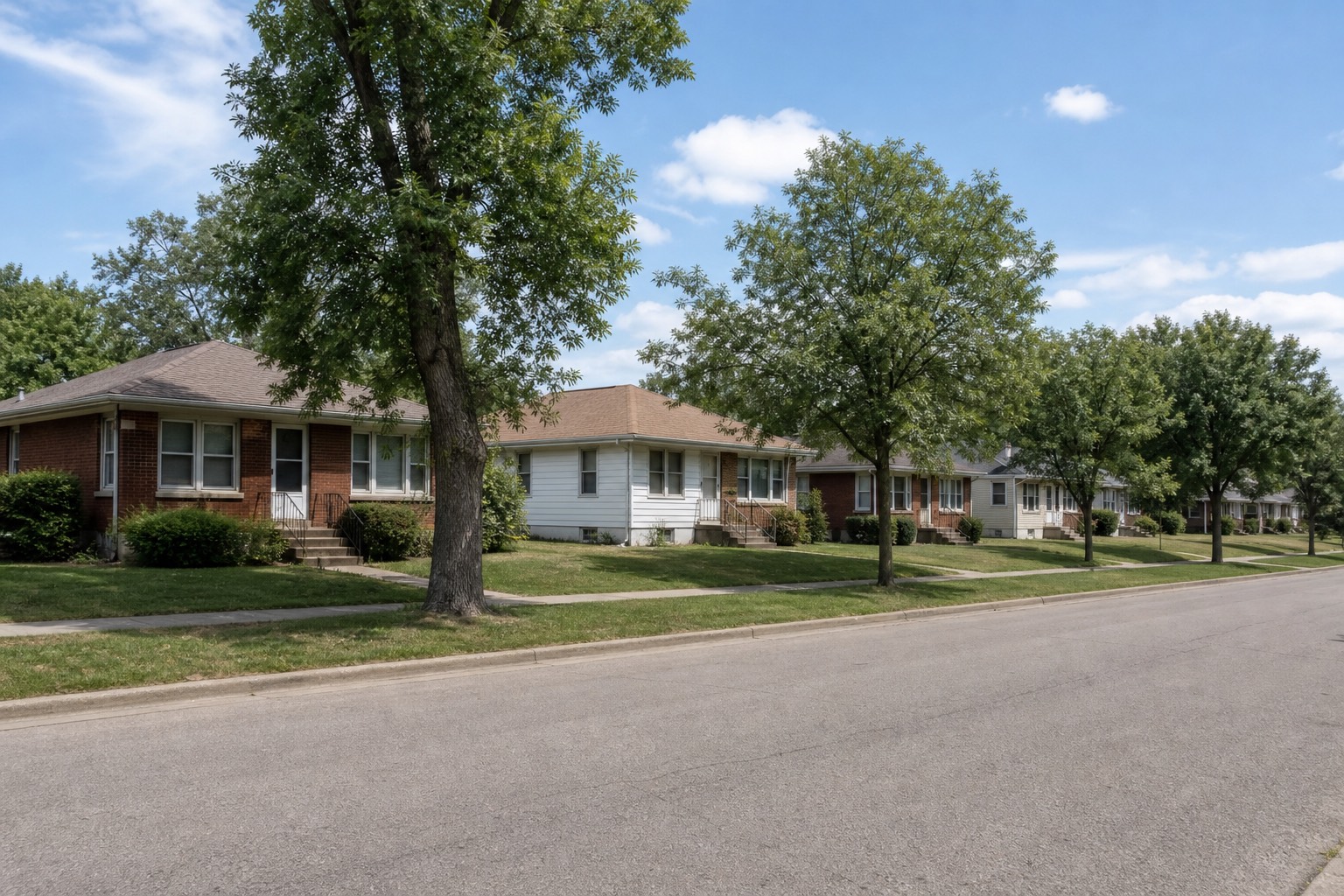
Yes, you can sell your Lockport home as-is. It is one of two ways to bring a home to market. The other is to get it ready first, with repairs or updates finished before the listing date. Below, the two sit side by side: what each asks of you before you list, what an as-is listing leaves in place, an
Repairs Before Selling in Lockport's Historic District: The City Planner Step and Possible Commission Review
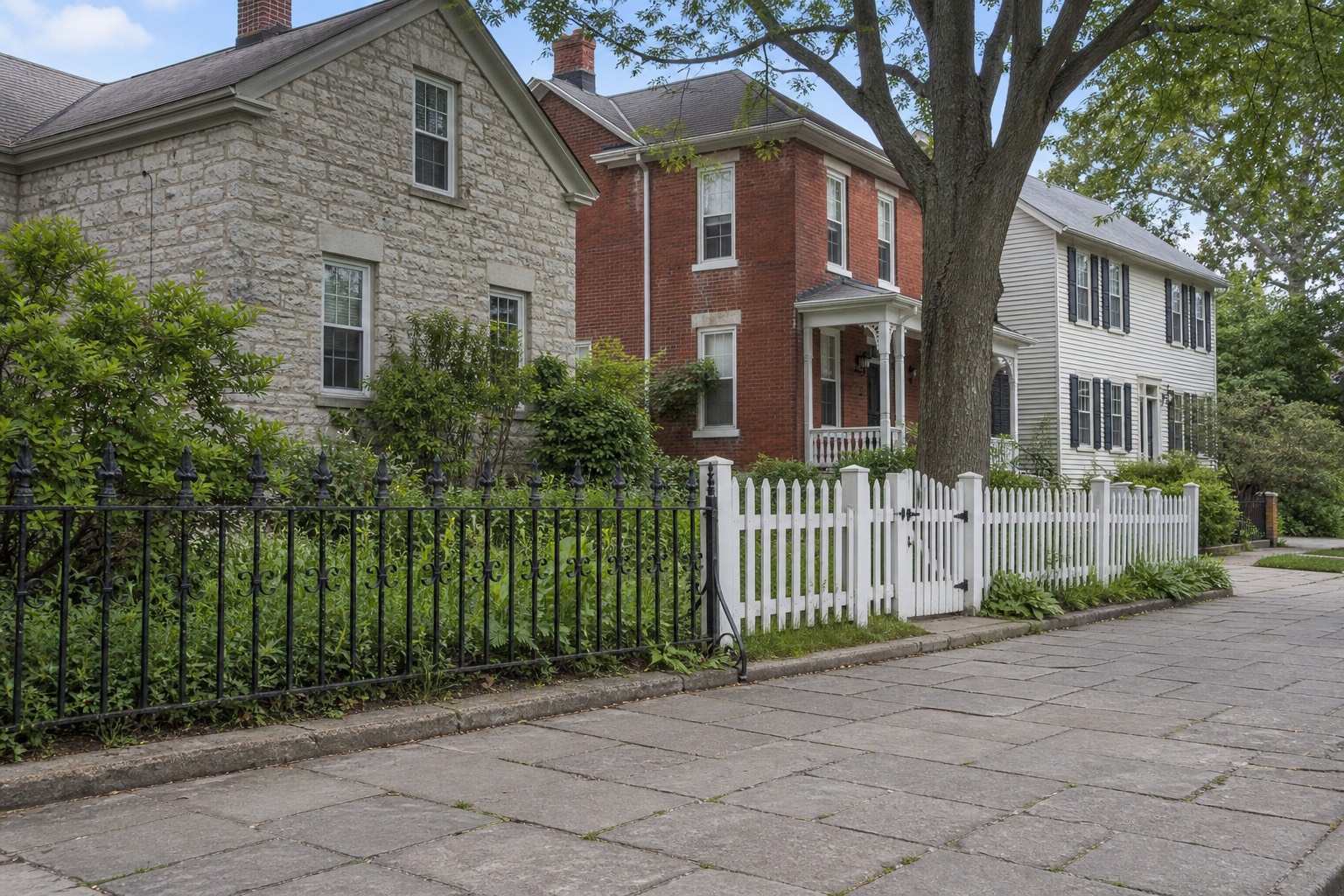
Planning repairs or updates before you sell a home in Lockport’s Historic District? There, the first step is to contact the City Planner, before any permit. The City’s code then sets out which projects require a certificate of appropriateness from the Heritage and Architecture Commission, which need